Loading...
Serving Altoona, PA and surrounding areas. (814) 552-1158
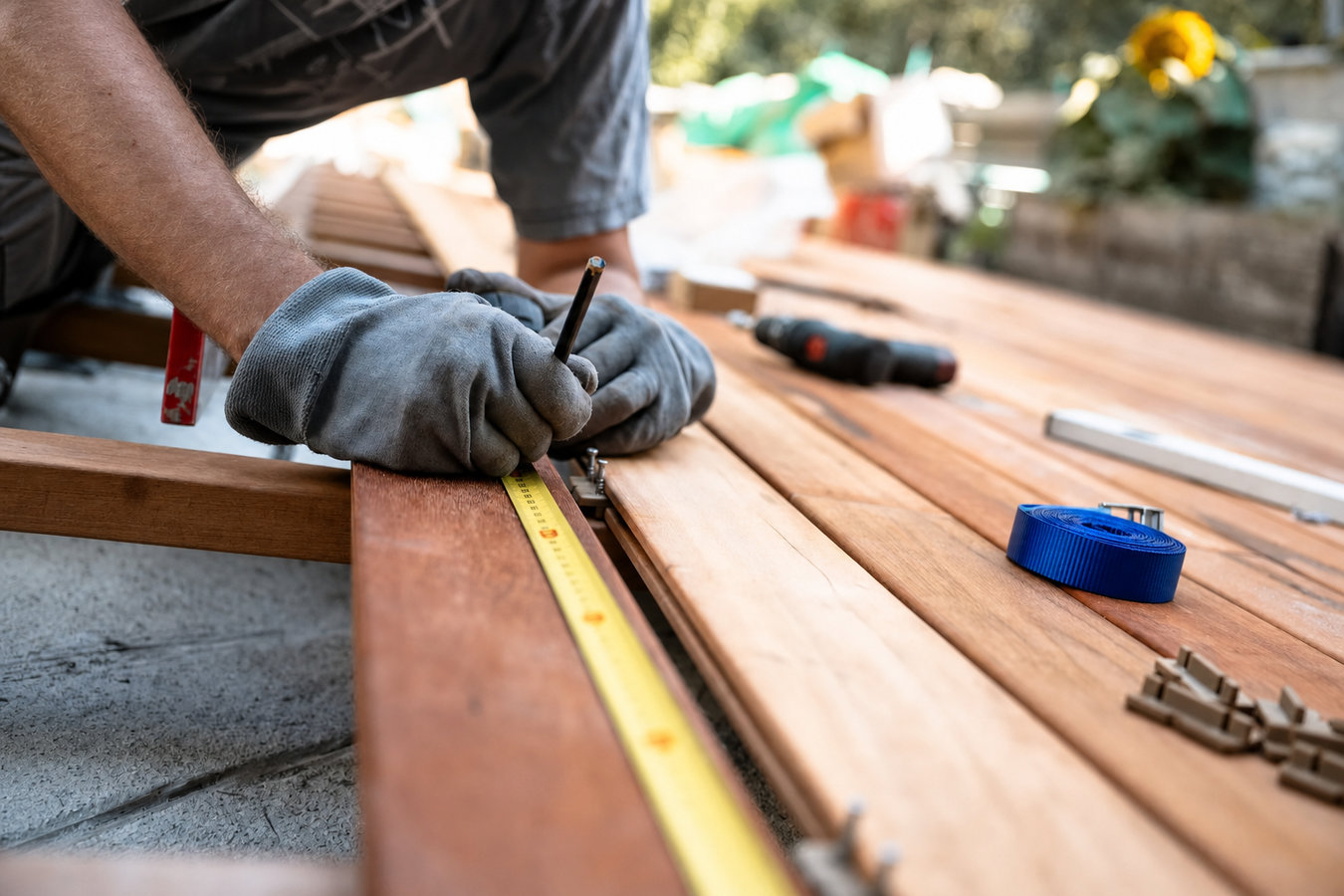
Your deck shows signs of wear - boards that flex, railings that wobble, or a structure pulling away from the house. We find out what is wrong, tell you straight, and fix it before the next Altoona winter makes it worse.
Deck repair and replacement in Altoona means a proper structural assessment first - if the framing is sound and less than about a third of the boards are damaged, repair usually makes financial sense, and most repair jobs wrap up in one to two days of work.
The honest answer is that you usually cannot tell from the surface. Altoona's freeze-thaw winters are hard on decks - every time moisture gets into a small crack and freezes, it expands and quietly accelerates the damage. What looks like surface wear on boards can actually signal rot in the posts and framing underneath. We check the framing, the connection to your house, and the footing condition before we tell you which path makes more sense for your situation.
If the structure needs a full replacement, we build it right from the start - with footings deep enough for Blair County's frost depth and proper ledger flashing so water does not work its way into your house. Once the work is done, keeping your new deck protected with regular deck staining and sealing is the single most effective thing you can do to extend its life.
If you walk your deck and certain spots feel spongy or give a little too much, the wood underneath has likely started to rot. In Altoona's climate, this often happens where water pools after rain or where snow sits against the boards all winter. You do not need a contractor to notice this - just walk the deck slowly and pay attention to how it feels.
Stand back and look at where your deck meets the exterior wall. If you can see a gap or the deck looks like it is tilting slightly away, the connection has likely weakened. This is one of the most serious warning signs - in Altoona's freeze-thaw winters, that joint takes a beating every year and a failing connection is a structural safety issue.
Give your deck railing a firm shake - it should feel completely solid, no movement at all. A railing that wobbles is a safety hazard, especially with children or elderly family members using the deck. This is often one of the first things to fail on older Altoona decks where the original hardware has corroded or the posts have started to rot at the base.
If you bought your home and are not sure when the deck was built or whether it was ever permitted, that is worth finding out. Decks added to Altoona's older homes in the 1990s or early 2000s were sometimes built without permits and may not meet current safety standards for railing height, post spacing, or footing depth.
Every job starts with a thorough on-site assessment - we check the framing underneath, look at the ledger connection where the deck meets your house, and inspect the footings if we can access them. We give you a written estimate that breaks down what we are recommending and why, not just a single number. If we recommend full replacement over repair, we will show you exactly what we found. Once you decide to move forward, we handle the full permit process with the City of Altoona's Bureau of Codes Enforcement on your behalf. The Consumer Product Safety Commission notes that most deck collapses happen at connection points that were not built or maintained correctly - which is exactly why we check those points first.
After the repair or replacement is complete, you might also consider deck railing installation if the existing system is outdated or needs to be upgraded to meet current code. A new railing can also refresh the look of an otherwise sound deck without the cost of a full rebuild. We coordinate the full scope - framing, boards, railing, and any permit inspections - so you have one point of contact for the whole project.
Suits decks with sound framing where the surface boards and possibly the railing system need to be replaced without touching the structural skeleton.
Suits decks where rot or damage has reached the posts, beams, or ledger connection - work that requires a permit and a structural approach, not just cosmetic fixes.
Suits decks where the structural frame is compromised - tear-down and rebuild from the footings up, with current code compliance and a permitted inspection on record.
Suits homeowners whose deck surface is in good shape but the railing system wobbles or the stairs have become unsafe - a targeted fix without a full rebuild.
Altoona sits in a region that cycles through freezing and thawing temperatures throughout winter and early spring. Every time moisture gets into a small crack in a board or post and freezes, it expands that crack and quietly accelerates the damage - year after year, winter after winter. Decks here tend to age faster than in warmer climates, and what looks like surface wear can actually signal deeper structural damage. The city also averages around 50 inches of snow per year, and wet, heavy snow puts real weight on a deck structure. If your deck was not built with local snow loads in mind - or has weakened over time - that weight adds up. Homeowners in Huntingdon and Ebensburg face the same conditions, and we work regularly in both areas.
A significant portion of Altoona's neighborhoods - including areas like Juniata, Fairview, and the West End - feature homes built in the mid-20th century or earlier. Many of these homes had decks added on later, often without the benefit of modern building standards, and those additions are now reaching the end of their useful life. If your home was built before the 1980s and the deck was added sometime after, there is a good chance it was never permitted or inspected - which matters both for your safety and for your home's resale value. The North American Deck and Railing Association publishes safety checklists that give you a starting point for evaluating your own deck before you call anyone. Spring is the busiest season for deck work in Altoona - homeowners notice problems after winter and want repairs done before summer. Getting a contractor out for an estimate in late February or March is the best way to get ahead of the rush.
We reply within one business day. The first conversation is short - just your address, what you are seeing, and a rough idea of whether you are thinking repair or replacement. No commitment needed at this stage.
We walk your deck, check the framing and connection to your house, and look at the footing condition if accessible. A written estimate follows - broken down by what we are recommending and why, not just a total number.
For most replacements and structural repairs in Altoona, we pull the permit with the city before work begins. This adds one to two weeks before construction starts, and we build that window into your schedule from day one so nothing catches you off guard.
Repair jobs often wrap in a single day. Replacements typically take two to four days of active construction after demolition. After the city's inspection passes, we do a final cleanup and walk you through the finished work before we leave.
Free on-site assessment. Written estimate. No sales pressure.
(814) 552-1158Before we touch a board, we do a thorough check of the framing and connection points - the parts you cannot see from the surface. We tell you exactly what we found and what it means, so the written estimate you receive is one you can actually trust, not a starting number that climbs after work begins.
Every replacement we build includes footings that go below Blair County's frost depth - deep enough that the ground can freeze and thaw without shifting the structure. A deck rebuilt with the right materials and correct drainage will handle Altoona winters without the slow rot that takes down so many older decks in this area.
Unpermitted deck work is one of the most common issues that comes up during home sales in older Altoona neighborhoods, and it can delay or derail a closing. Every project we do goes through the proper permit process, and every completed deck gets a passing inspection on file - so when you are ready to sell, your deck is an asset, not a liability.
Pennsylvania's Home Improvement Consumer Protection Act requires contractors to register with the state for residential work over $500. Registration means you have legal recourse if something goes wrong, and it filters out operators who avoid accountability for their work.
We have been repairing and replacing decks on Altoona homes long enough to know what fails here and why. Every job gets the same thorough approach - honest assessment, proper permitting, and a walkthrough at the end so you know exactly what was done and how to protect it going forward.
After your repair or replacement is done, regular staining and sealing is the most cost-effective way to protect the new wood through Altoona's wet springs and hard winters.
Learn MoreIf your deck surface is sound but the railing system is failing or out of code, a new railing can make the whole structure safe and current without a full rebuild.
Learn MoreSpring slots fill fast - reach out now and get a straight answer on your deck before the busy season closes the schedule.